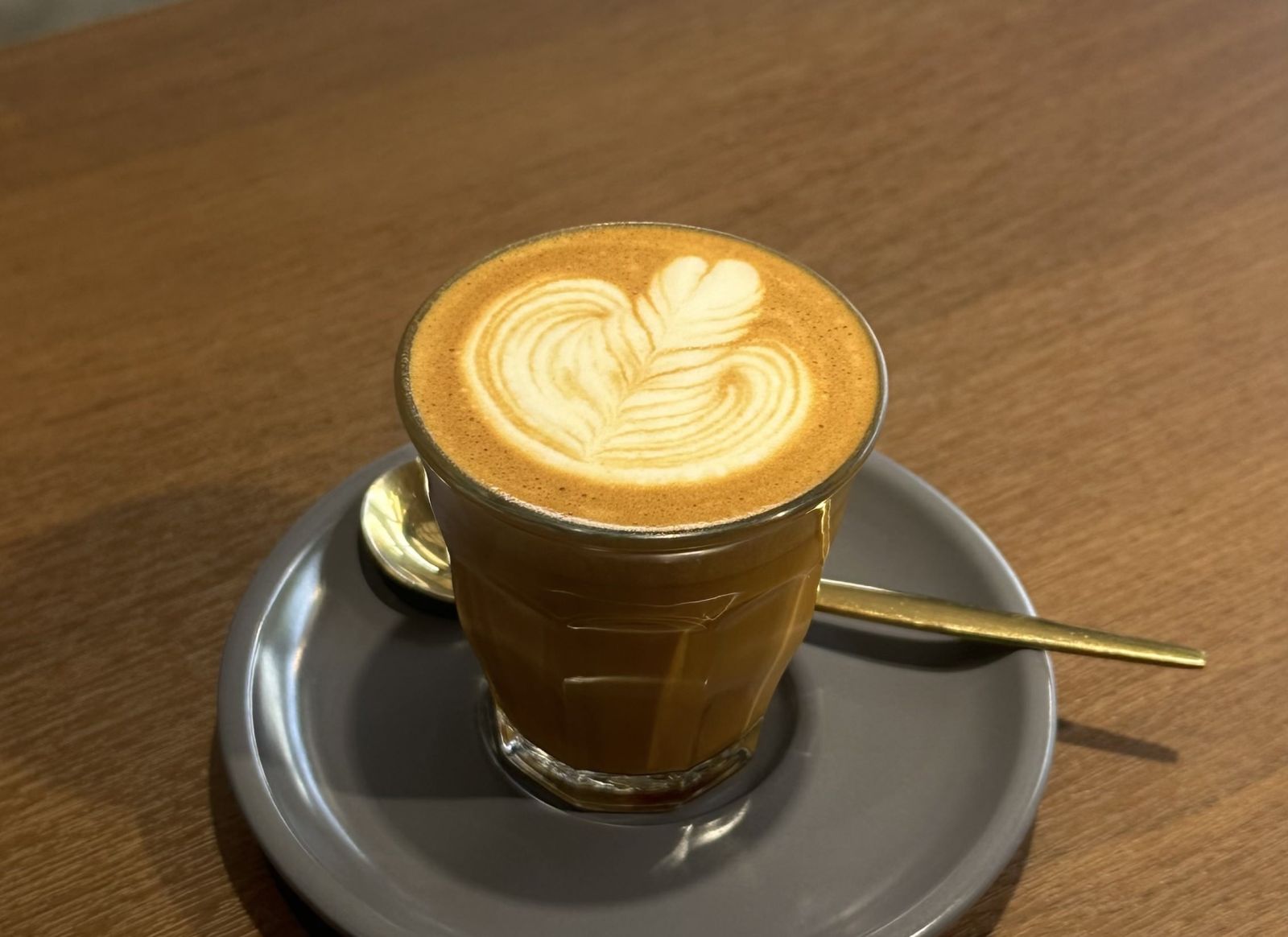
Latte Art: Mastering Technique, Consistency, and the Craft of Hot Coffee
When it comes to hot coffee, one of the most fundamental skills is latte art. It is much more than just pouring milk into a pretty pattern; it involves deep details and nuances. While it may not be strictly more important than the quality of the coffee beans themselves, it plays a powerful role in elevating the customer experience.
Latte Art and Hot Coffee
Hot coffee is typically served under various menu names such as Latte, Flat White, Cappuccino, Piccolo, and many more. All of these share the exact same two core ingredients—coffee and milk—but they play with different ratios of espresso, fluid milk, and milk foam. These menu items are especially popular among international customers compared to locals. Mastering them allows a cafe to showcase exceptional barista skills across several key areas:
- Espresso Extraction: Dose, yield, and time
- Milk Texturing
- Latte Art
A well-crafted hot coffee not only drives sales, but it also brilliantly reflects the skill and professionalism of both the shop and its baristas. Therefore, investing in serious staff training for these skills builds credibility, enhances the customer experience, and generates positive reviews. Because these drinks are technically challenging and often overlooked by many cafes in Thailand, excelling at them can easily become a major driver of customer retention and repeat visits.
How Hard Is Each Pattern?
Latte art ranges in difficulty, starting from simple, low-complexity patterns that focus on consistency—such as hearts, tulips, or rosettas—to highly intricate designs like swans or custom creations born from a barista's imagination. Great latte art and smooth progression from simple to advanced patterns always begin with a strong foundation. Here are the core essential elements:
7 Latte Art Techniques to Practise
1. Espresso Extraction: Proper extraction should unlock the distinctive flavor profile and character best suited for the chosen coffee beans.
2. Glassware: Choosing the right cup for the specific menu item is essential for controlling the ideal beverage ratio between coffee and milk.
3. Pitchers and Jugs: The size and shape of the milk pitcher should match the volume being poured.
4. Milk Steaming: Using the correct temperature, steam angle, and duration to achieve the ideal microfoam texture for each specific menu item.
5. Pouring Technique: Perfectly coordinating both hands—the one holding the cup and the one holding the pitcher.
6. Pouring Rhythm: Pouring speed directly impacts the final pattern. Controlling flow rate and milk volume allows you to achieve the desired design.
7. Consistency: Pouring a great design once versus pouring a great design every single time is the difference between an experienced barista and a novice. Training with standardized, repeatable steps ensures that every cup looks consistent and meets the highest quality standards.
Practise Until Every Cup Looks Great
Practicing these skills until you achieve fluency—controlling your pours with precision and intention every time—will simplify latte art creation and accelerate the learning of new designs. In the end, latte art is about creating diverse patterns on coffee and milk within a standard round cup.
Learn Latte Art with Bangkok Coffee Academy
If you are interested in learning latte art, we also offer a latte art class that covers everything from the basics—starting with espresso extraction and milk steaming—to pouring basic patterns. And once you have mastered the basics, we also offer an advanced latte art class that will take you to the next level of pouring designs in round cups. Feel free to contact us at 062 494 4746 (Line/WhatsApp)
Written by: Bangkok Coffee Academy expert team
Our team of baristas has more than 15 years of hands-on experience in cafes in Sydney, Australia, and teaches barista courses in Bangkok.
Published: