Cafe Menu Guide: What to Sell for Your Shop Size
People who art planning to open a cafe often start wondering what items they should sell. Is coffee alone enough? Should they add pastries and snacks, or even full meals? Looking at your favorite coffee shops might not be the best solution, each shop differs in scale, target, and numerous other factors. Therefore, we have compiled a guide on what your shop should offer based on your scales, which can serve as a rough outline for your menu planning.
Cafe Menu for Small Shops
For Small-Sized Shops with limited space and budget, the essential beverage menu should include basic hot and cold coffee drinks, along with 1–2 signature drinks to add appeal without needing an extensive list. Additionally, you can offer simple pastries that do not require refrigeration, such as cookies, brownies, or bread. Overall, you will have about 20 beverage items and 3–5 types of pastries. The advantage of having a limited menu is the ease of inventory management, which results in fewer leftover goods and lower storage costs. This type of shop is ideal for starting out, exploring, and studying what the market demands.
Cafe Menu for Medium Shops
For Medium-Sized Shops with more usable space, you can expand your menu and offer more choices to customers, such as adding cakes, tarts, and other chilled desserts. With a larger space, you can install a pastry display fridge or expand your beverage options—like introducing filter coffee or specialty coffee beans from various origins for customers to choose according to their preferences. Furthermore, you can offer simple, low-preparation foods like sandwiches. These items help increase sales; a customer who initially walked in just for coffee might also purchase a sandwich for breakfast or a pastry to enjoy with their coffee in the late morning.
Cafe Menu for Large Shops
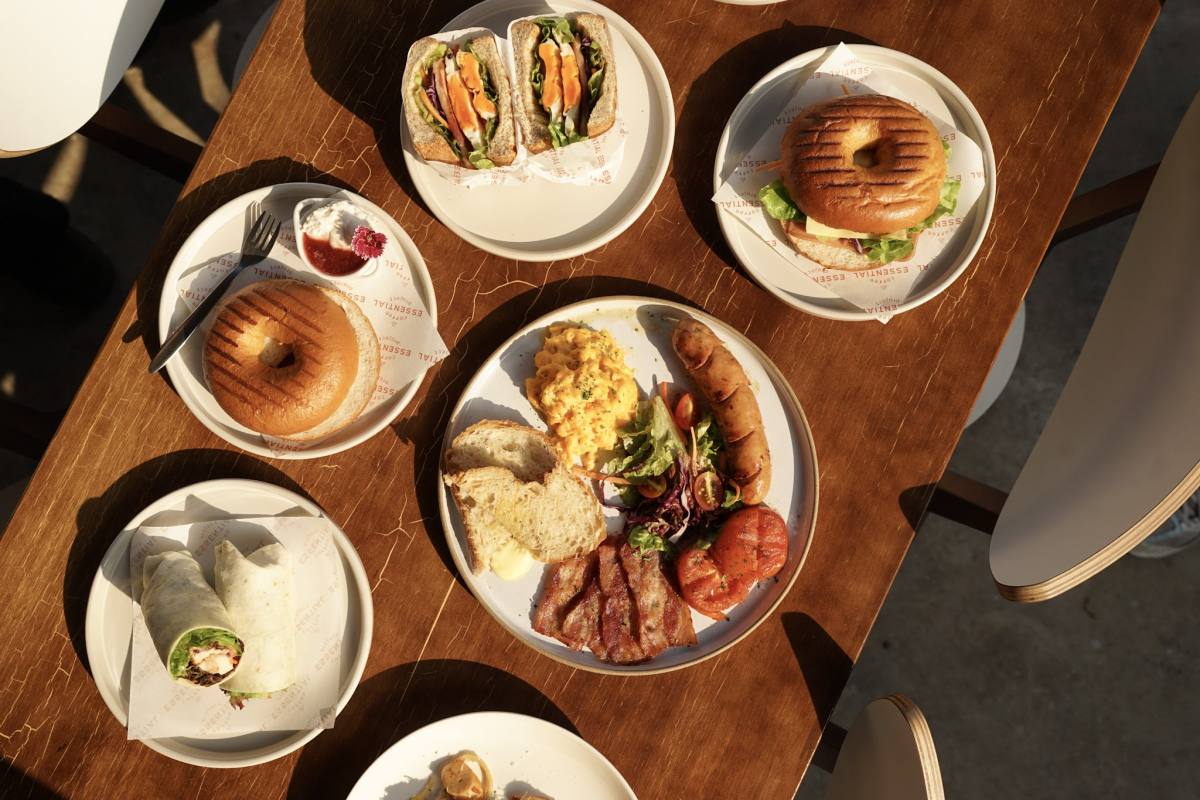
For Large-Sized Shops with plenty of space and staff, you can scale up to a full-service operation. In the beverage category, you can introduce matcha (along with various matcha-based drinks), as well as interesting alternatives like Chinese or English teas. For desserts, you can add items that require freshly made preparation, such as honey toast or pancakes. As for food, you can expand into full meals ranging from brunch to dinner. Going even further, adding alcoholic beverages can be a great option to suit an evening ambiance.
What Shapes Your Menu
Ultimately, the menu items in your cafe depend on a variety of factors, including location, capital, business partners, and many others. While having a wider menu can boost sales, keep in mind that the more sales units you have, the higher your costs will be—including raw materials, equipment, space, staff, and the energy required to manage everything.
Opening a successful coffee shop is no easy feat; it requires evaluating, thinking through, and deciding on numerous factors, and naturally, many problems will arise in the early stages. Having someone to consult can effectively plug those operational leaks. Starting a business does not mean spending all your capital upfront; funds should be properly allocated to cover marketing and running costs for at least six to twelve months. Higher revenue does not solely come from a large number of sales units—having fewer options but high food flick (stock turnover/efficiency) might be more suitable for certain locations.
Coffee Shop Consulting
For those interested in opening a coffee shop, we offer consulting services to help bring your cafe ideas from conceptualization on paper into the real world, turning them into a profitable business. Get in touch with us at 0624944746 or via our Instagram page at bangkok.coffee.academy.
Written by: Bangkok Coffee Academy expert team
Our team of baristas has more than 15 years of hands-on experience in cafes in Sydney, Australia, and teaches barista courses in Bangkok.
Published: